Dental care and dental scaling
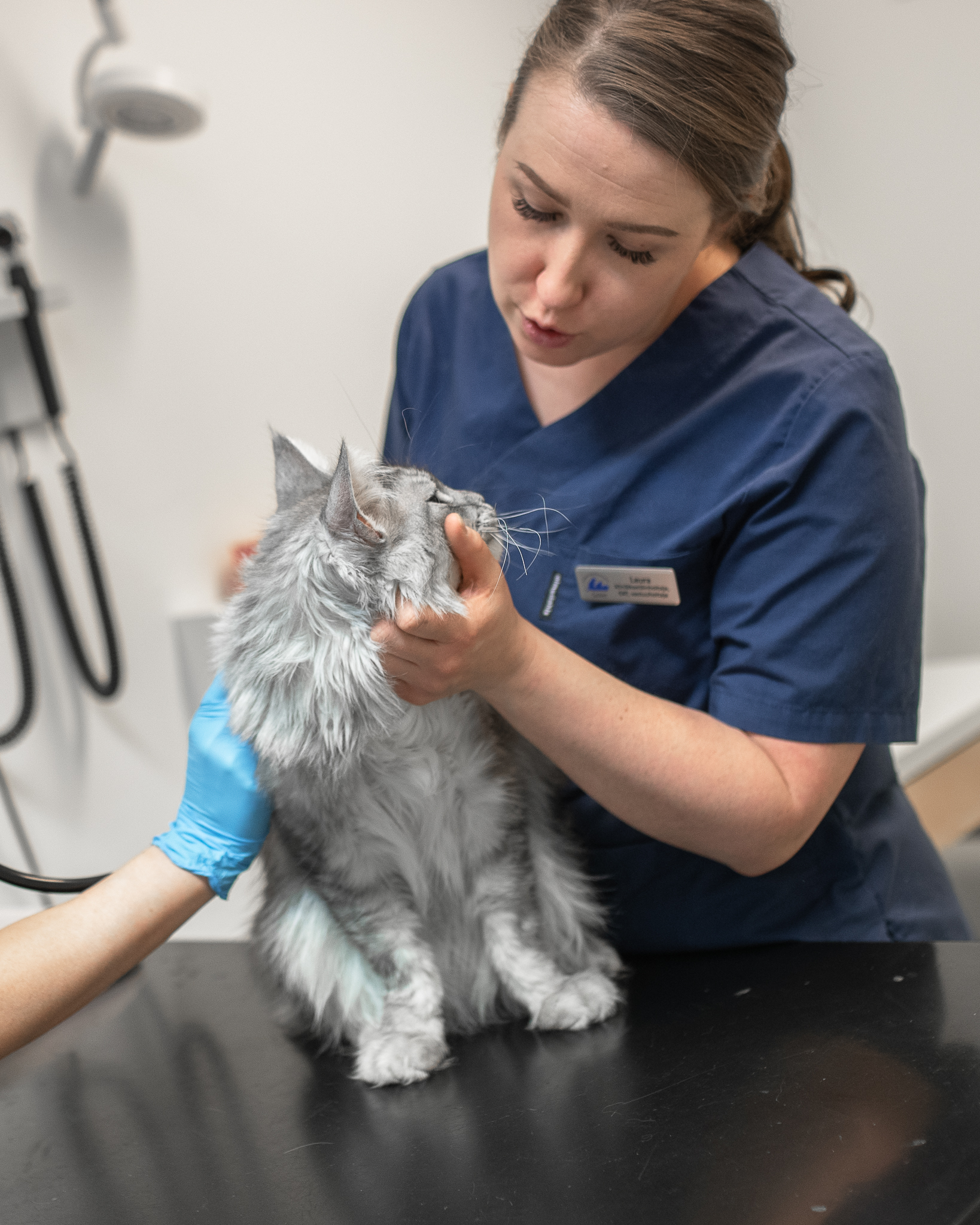
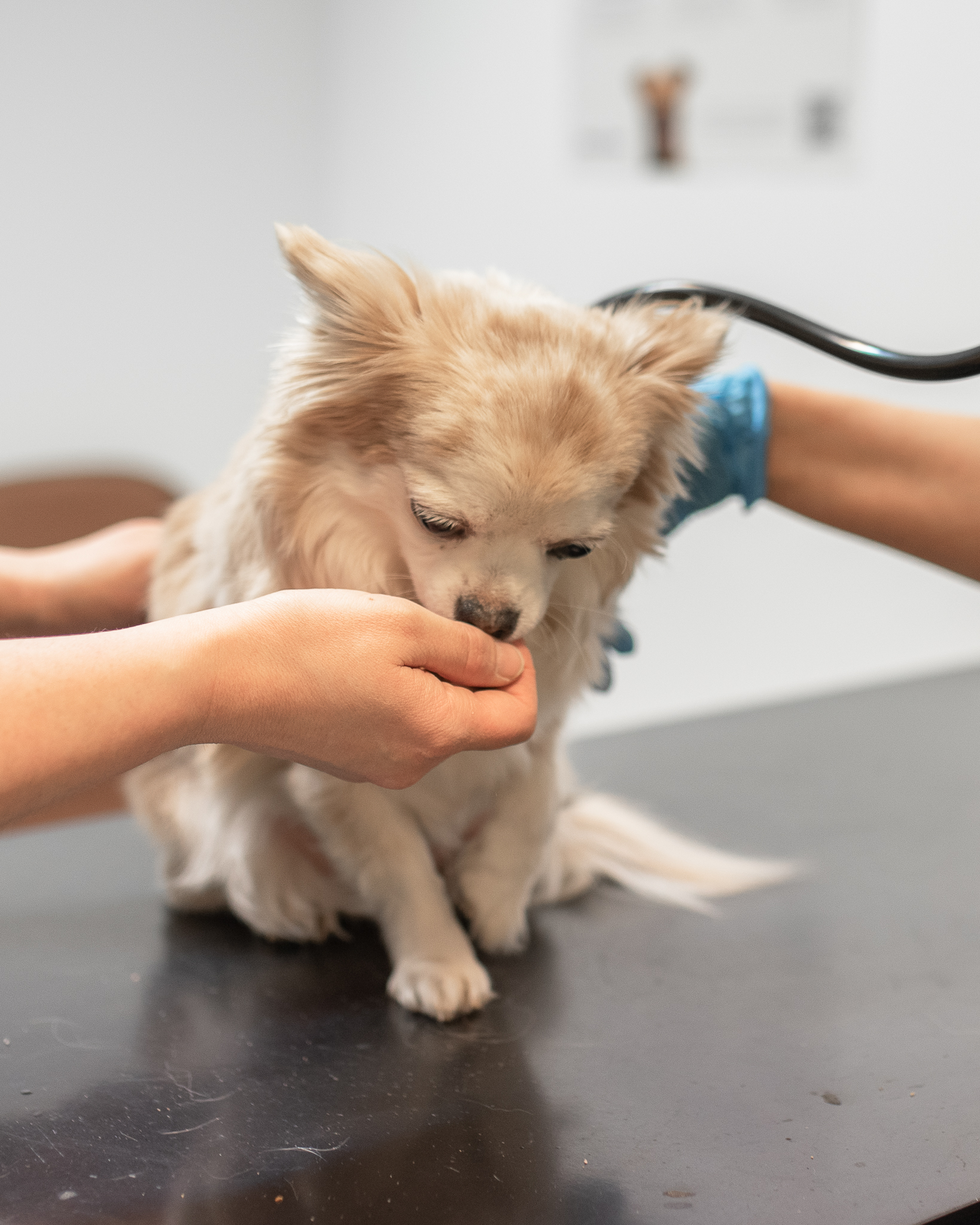
Did you know that the condition of the mouth and teeth affects the health of the whole body? Pets also need regular dental care and dental check-ups.
Periodontitis, an inflammation of the tissues that hold the tooth in place, which usually leads to the tooth being extracted or falling out, is unfortunately common in dogs and cats. Periodontitis develops when plaque and bacteria in the gum pockets cause gingivitis, which is allowed to gradually progress to periodontitis.
Gingivitis is a curable condition; periodontitis is an irreversible change. Up to half of dogs and cats over 3 years of age have some degree of periodontitis. Over 80 % of dogs and cats develop periodontitis at some point in their lives.
Regular dental care is recommended for pets, just as it is for people. Dental care becomes more important with age.
At a dental care visit, the current condition of the teeth is first assessed by taking dental X-rays.
The examination reveals the condition of individual teeth and any inflammation of the tissues that hold the tooth in place, i.e. periodontitis. An individual treatment plan is drawn up for each patient, and after treatment we give detailed written home care instructions and recommendations for the next check-up visits.
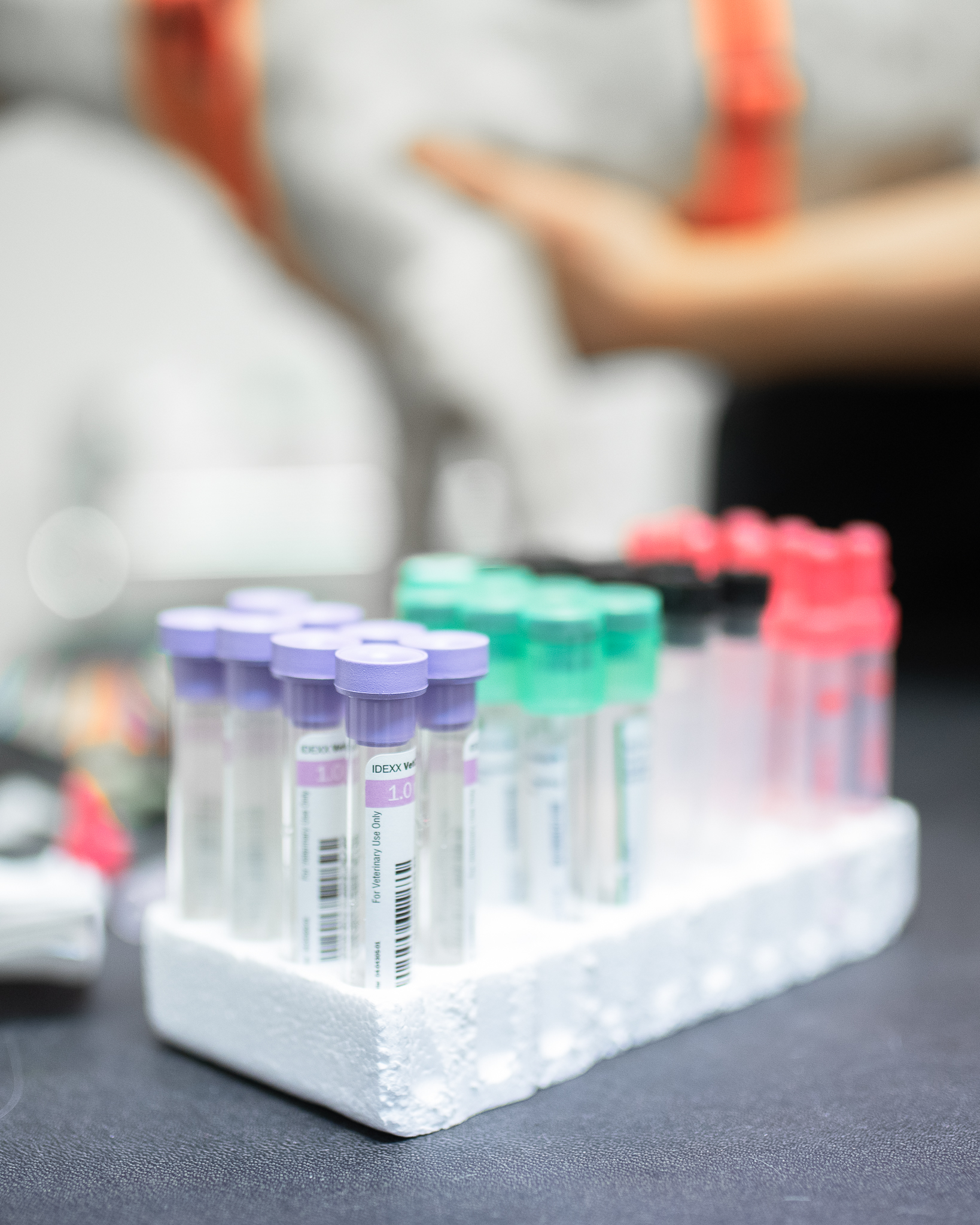
We recommend checking basic blood values in connection with dental treatment, especially for patients over 6 years of age, if they have not been checked within the past year. This lets us take any problems into account in the anaesthesia and make the anaesthesia safer.
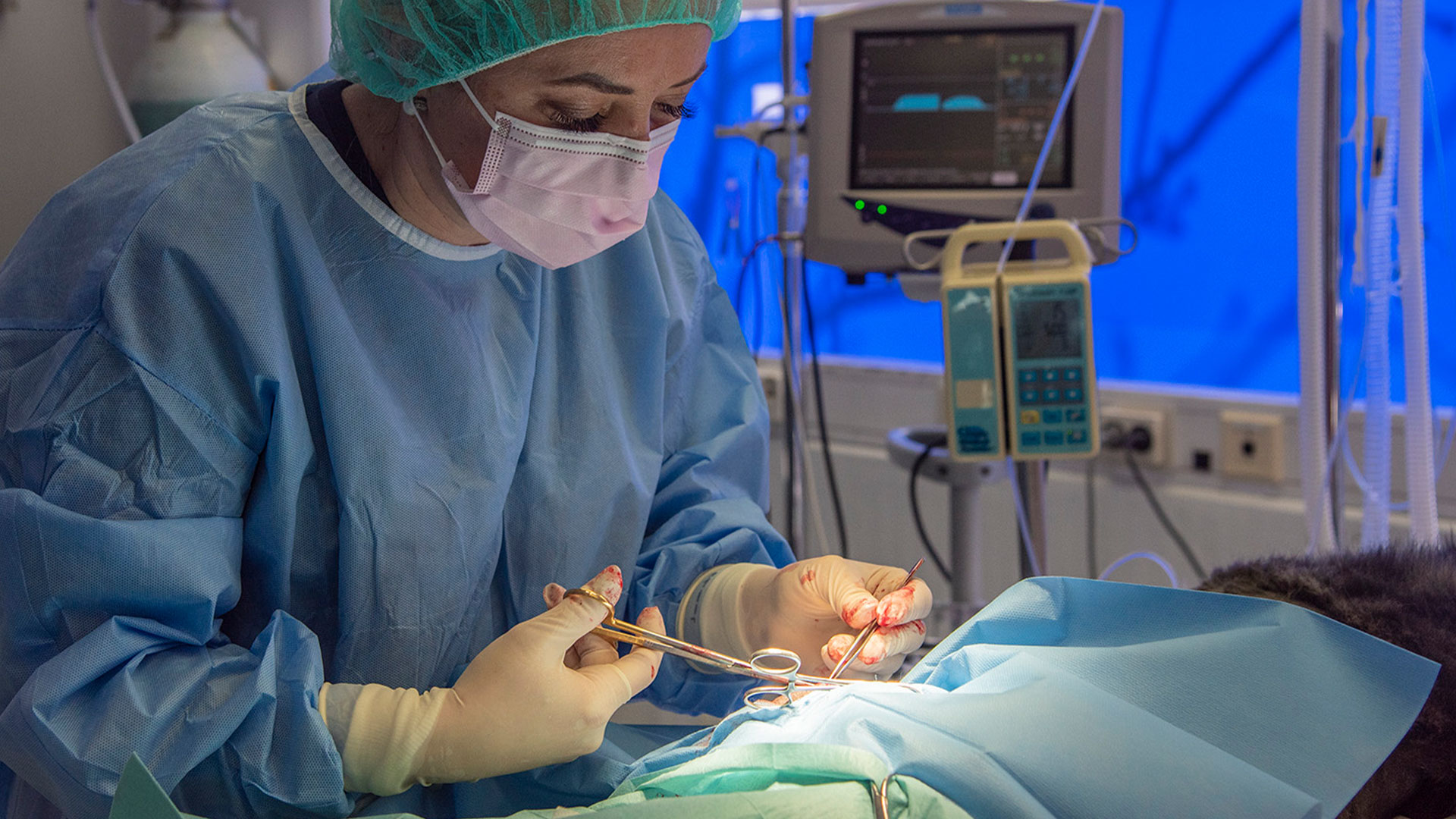
We check your pet’s teeth during general examinations and vaccinations, for example. If necessary, your pet can be booked in for dental scaling, where tartar is first removed with an ultrasonic scaler or by hand, and the tooth surfaces are then polished. A dental chart is drawn up for every dental patient, which allows us to monitor the condition of the mouth over the years.
Tooth extractions
The need for tooth extractions is most often caused by advanced periodontitis. Extraction is also one, and sometimes the only, treatment option for damaged teeth. A diseased or damaged tooth causes the patient pain, even though dogs and cats do not show pain as clearly as people do. The difference is often only noticed in the patient’s behaviour after the tooth has been extracted.
We perform extractions of both deciduous (baby) teeth and permanent teeth. In all tooth extractions, it is important to X-ray the tooth before and after extraction.
You can book an appointment for the extraction of deciduous teeth without a check-up visit; the extraction of a permanent tooth always requires a separate visit before the extraction. We always recommend first cleaning the mouth, i.e. removing tartar and plaque, and taking dental X-rays before extracting teeth. We can give a cost estimate for tooth extractions based on the dental X-rays. The dental X-rays must have been taken within the past 2 months for us to give a reliable cost estimate.
If you want any tooth extractions to be done at the same time as the dental scaling, we have so-called dental days, when patients are brought in in the morning and can be picked up in the evening. After the dental scaling and dental X-rays, the veterinarian calls the owner and tells them how many teeth need to be extracted and gives a cost estimate.