Surgery
Patient safety is important to us. Anaesthesia always involves risks, but the risks can be minimised with good anaesthesia monitoring and the choice of anaesthetic agents. At our clinic, anaesthesia is monitored by a trained veterinary nurse.
During anaesthesia (depending on the length and type of the surgery), in addition to the patient’s general condition, we monitor the pulse, body temperature, blood pressure, blood oxygen level, carbon dioxide level in the breath and ECG, among other things. The data is recorded on a separate anaesthesia monitoring form.
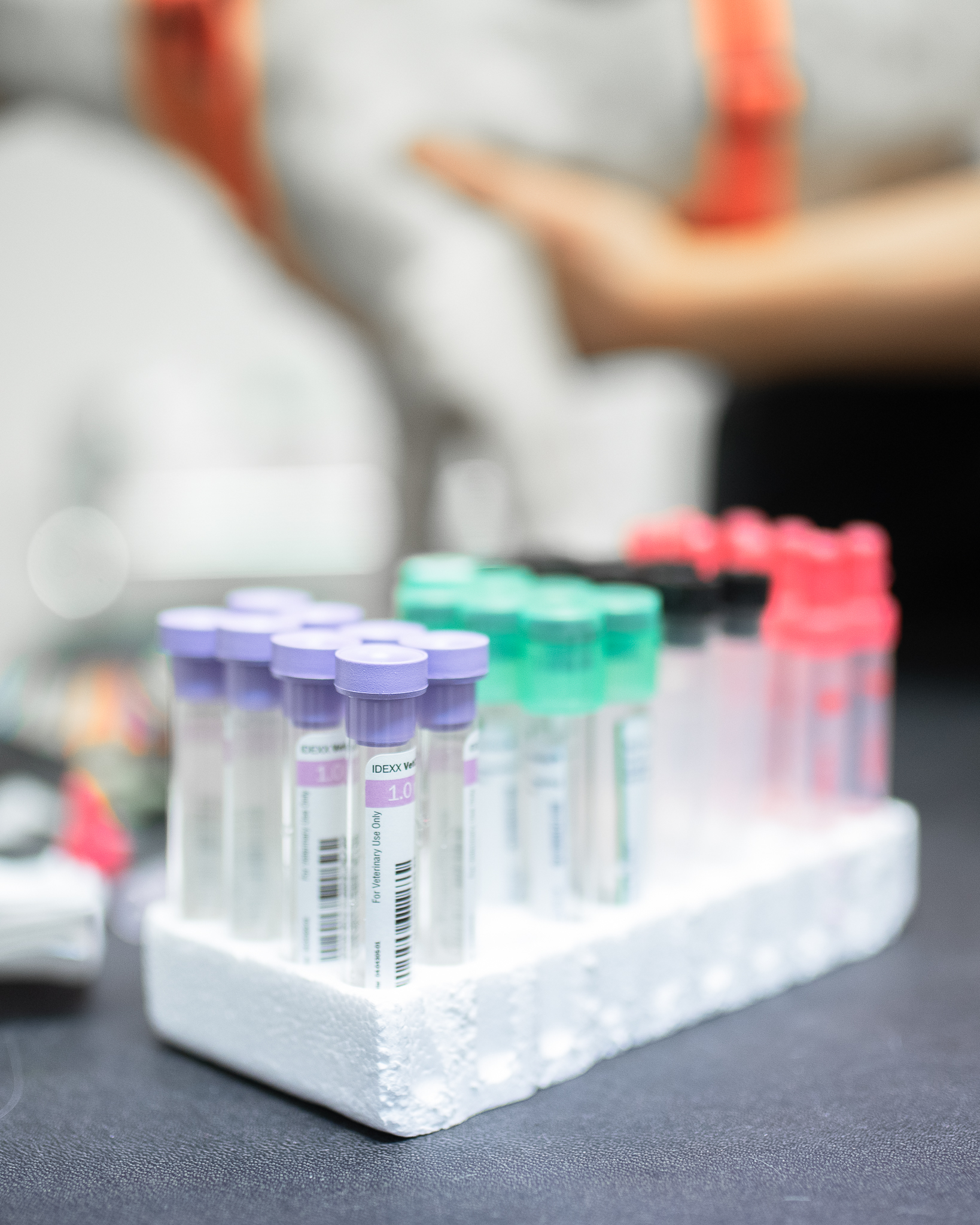
We use modern equipment and continuously follow developments in veterinary anaesthesiology. For the sake of patient safety, we recommend checking basic blood values (liver and kidney values, blood glucose and haematology) before surgery.
The time after surgery is also important. After surgery, the patient is moved to our hospital ward, where it wakes up under supervision. After the surgery, the veterinarian usually calls the client to tell them how the patient is doing. Surgical patients are always discharged once awake.
The patient goes home with medicines to be given at home, a cone/recovery suit and written care instructions. Any stitch removals and wound checks are included in the price of our surgeries. A high standard of surgical hygiene helps us avoid unnecessary use of antibiotics after surgery.
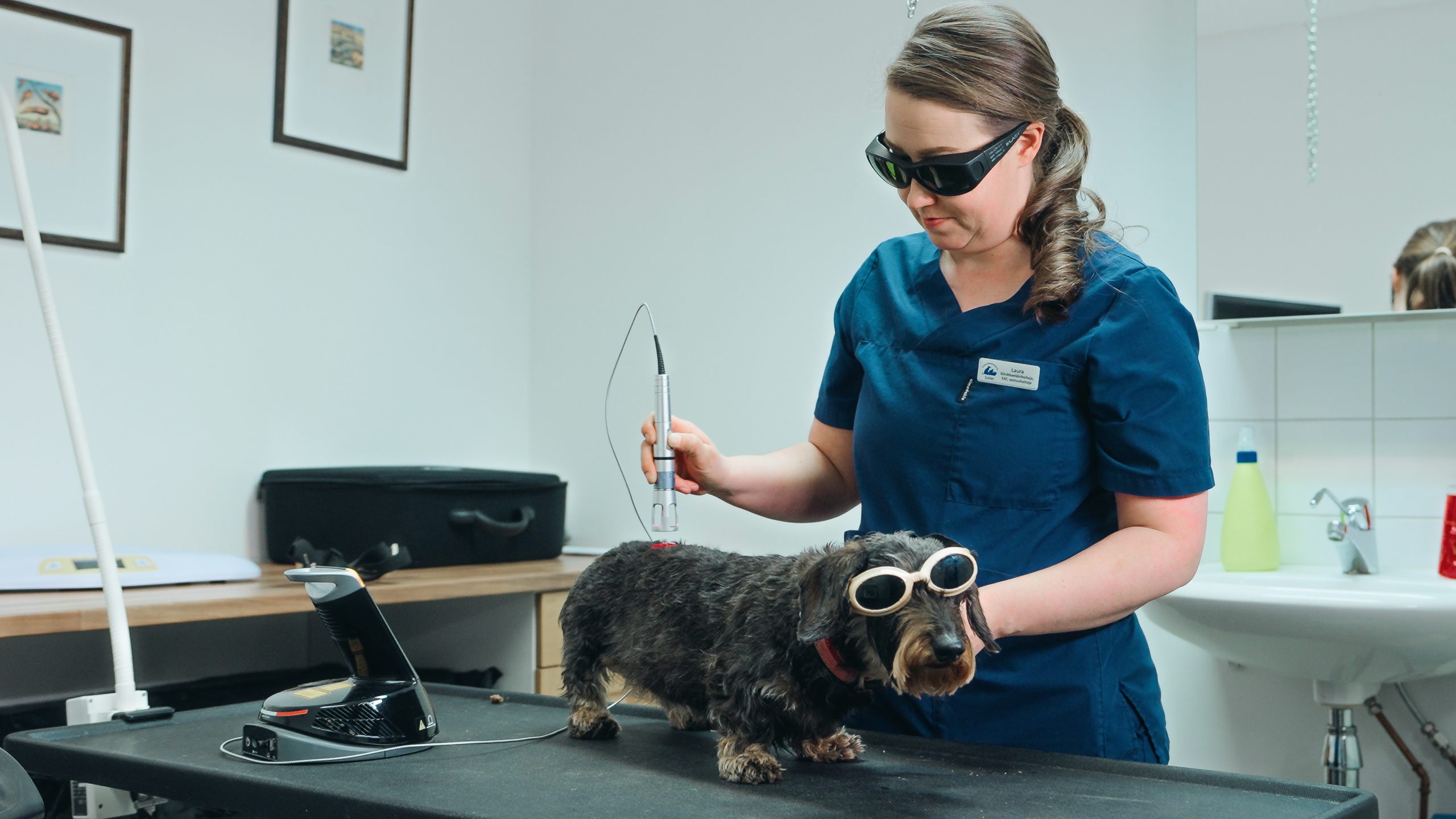
We also have a diode laser, which we can use, for example, to remove growths in the mouth area and to shorten the soft palate. Wounds cut with a laser heal faster.
The surgeries we perform at our clinic include
- spaying and castration of dogs, cats, rabbits, ferrets and guinea pigs
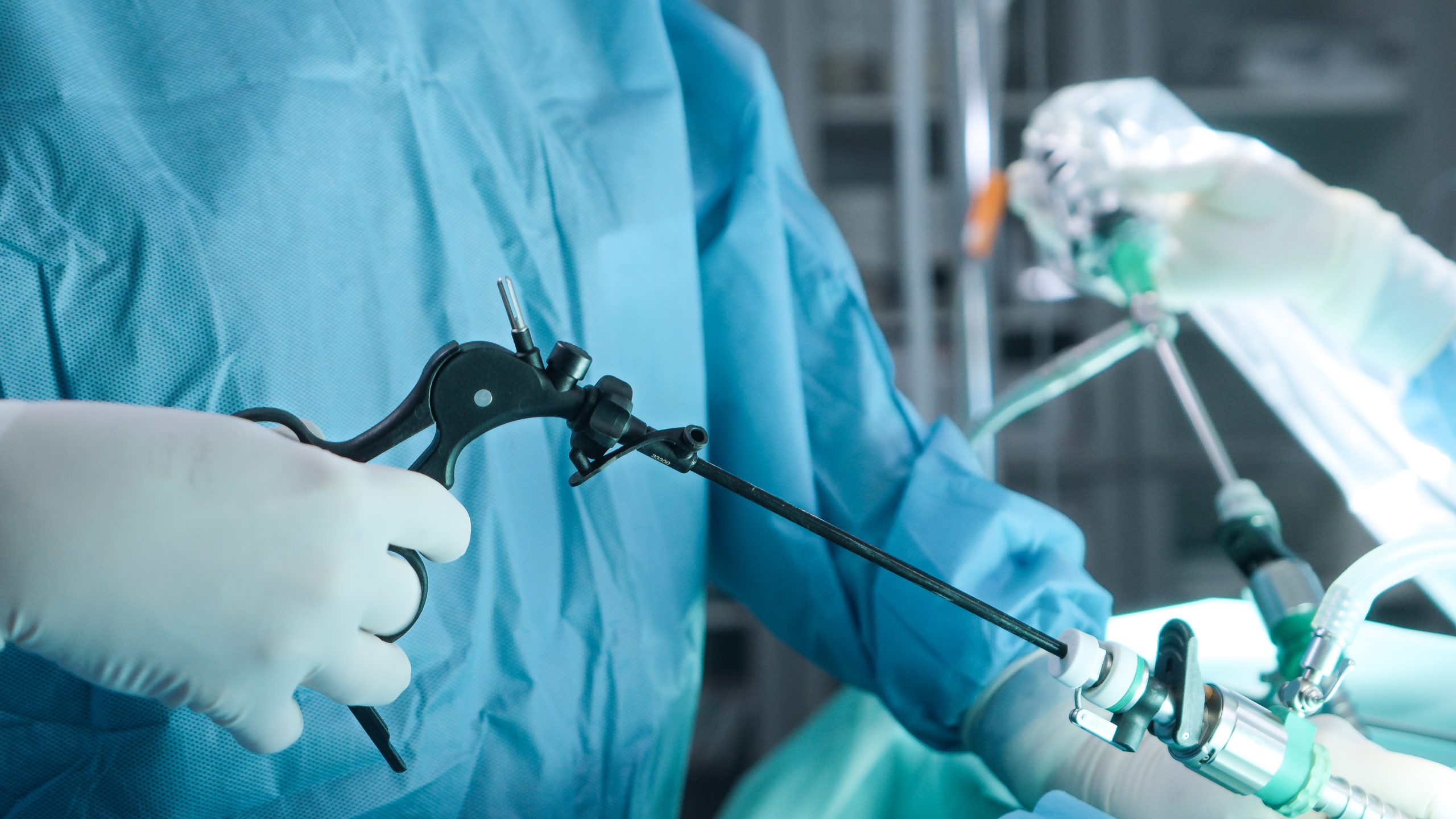
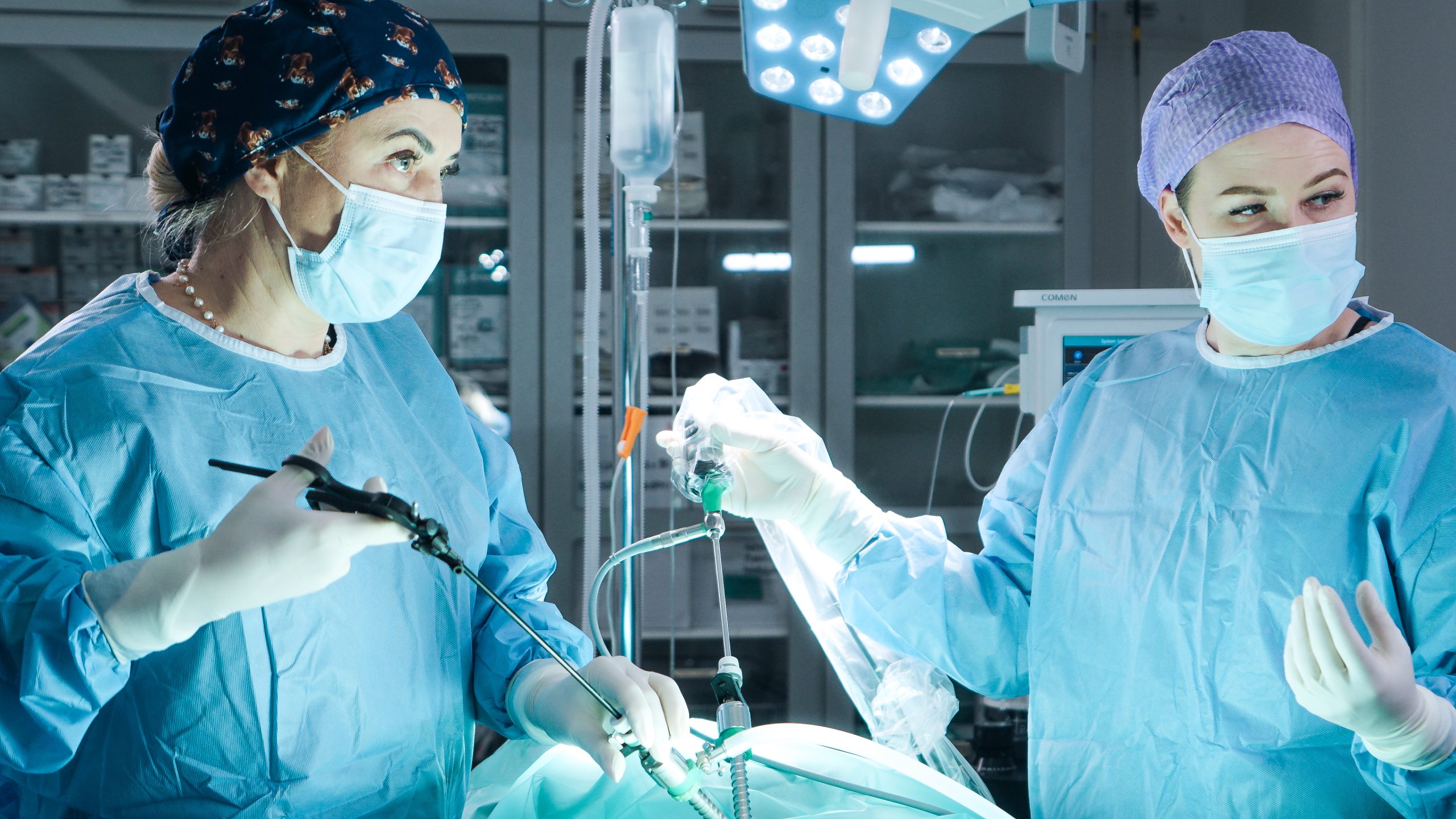
- laparoscopic surgery, e.g. spays, retained testicles, gastropexy to prevent gastric torsion
- tumour removals
- bladder stone removals
- gallbladder removals
- hernia surgery (inguinal and umbilical hernias, perineal hernias)
- emergency surgery (e.g. caesarean sections, gastric dilatation-volvulus (torsion) surgery, pyometras)
- gastrointestinal surgery, e.g. foreign body surgery, biopsies of the intestine and other organs (also performed laparoscopically)
- eyelid operations and cherry eye surgery
- tonsil removals (also by laser)
- removal of epulis in the mouth (by laser)
- soft palate shortening (also by laser)
- ear surgery (e.g. ear canal widening)
- surgery in the anal area, e.g. anal gland removal
- organ removals, e.g. removal of the spleen or a liver lobe, amputations
- cruciate ligament surgery of the knee