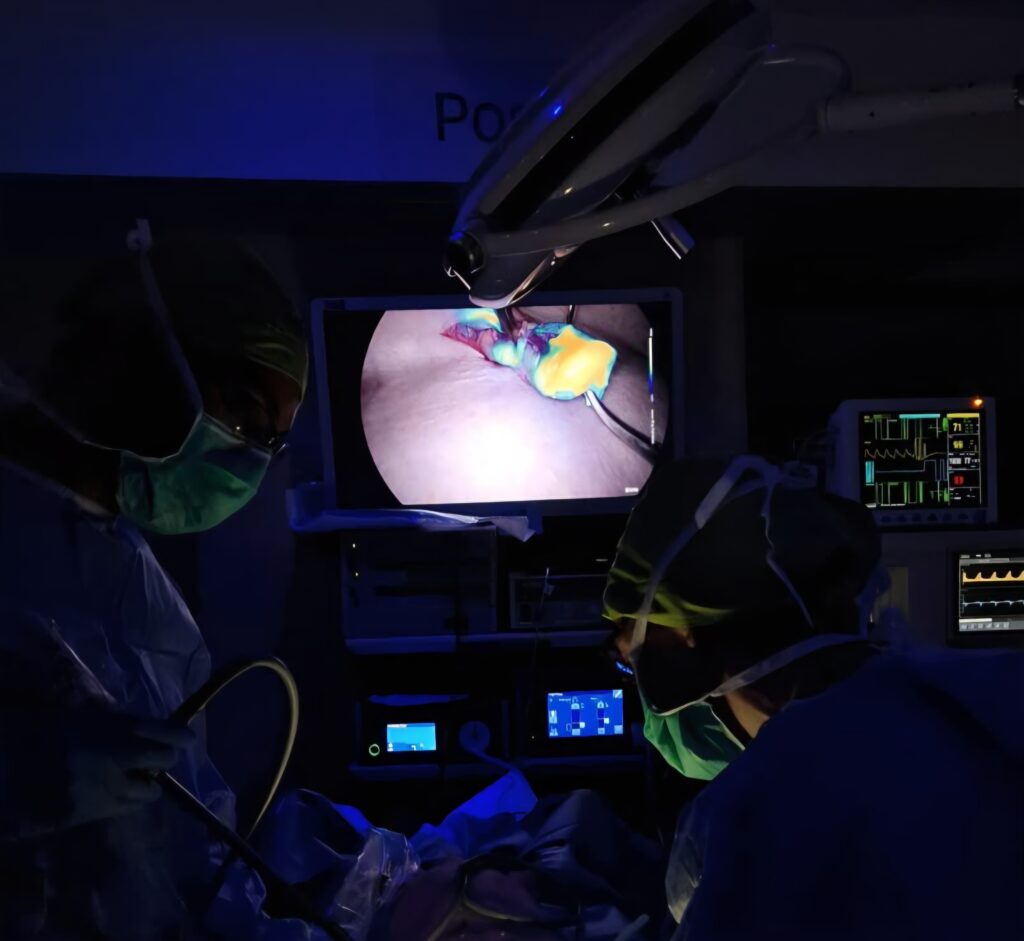
Anaesthesia
When your pet comes to the clinic, various sedation or anaesthesia procedures may be needed. The medication method used is always chosen individually, depending on how deep a sedation is needed, the length of the procedure and its purpose. The goal is always adequate sedation to ensure the patient’s safety, reduce stress and pain and make sure the examination or procedure is successful.
It is very important to tell the veterinarian if your pet has an underlying condition, such as a heart murmur, heart disease, respiratory symptoms, liver or kidney disease, or if your pet is on regular medication. These factors affect the choice and dosage of the drugs used for sedation, and taking them into account helps minimise possible side effects and risks.
IM sedation
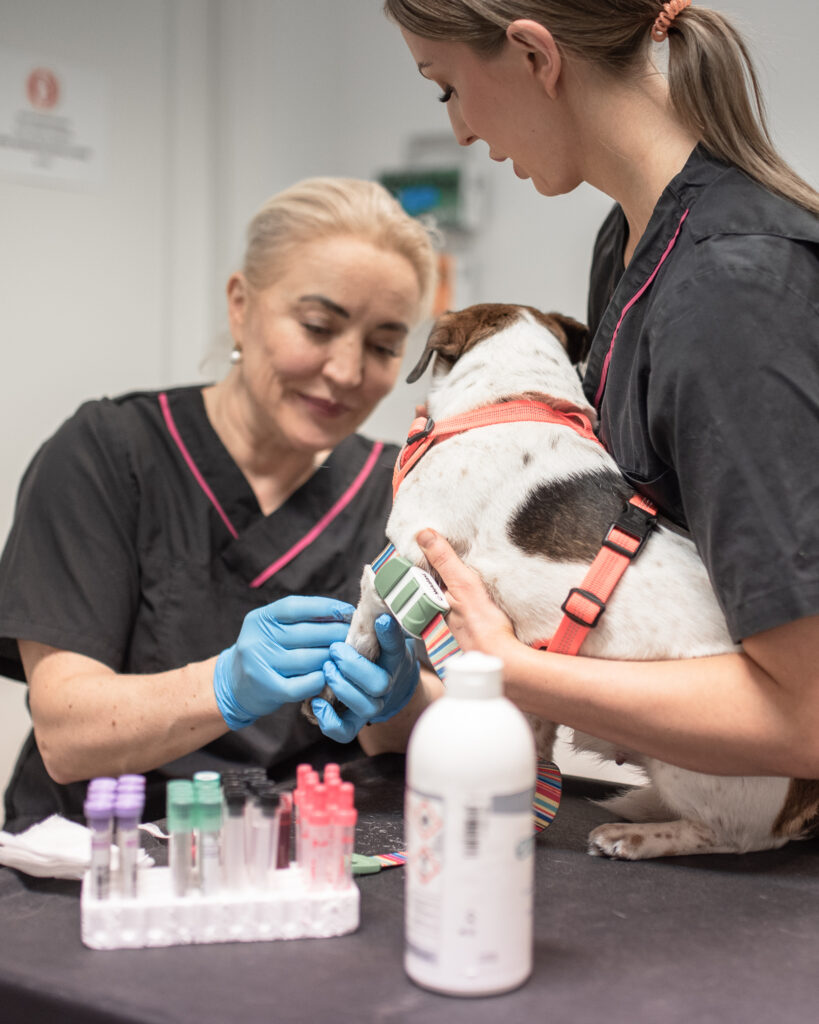
IM sedation (sedation given into the muscle) is intended for short and mostly painless procedures. It is a light or moderate sedation used, for example, for blood sampling, ultrasound examinations, X-rays or other quick examinations.
Several different drug combinations can be used for IM sedation, and the choice is based on the patient’s individual factors, such as age, general condition and any underlying diseases. Studies show that correctly chosen and dosed IM sedation is a safe and effective way to reduce stress and handling pain and to improve the quality of examinations.
IV anaesthesia
In IV anaesthesia, the patient is first calmed with a light IM sedation, after which a cannula is placed. Anaesthetic agents are given through the cannula to achieve a deeper, controlled sleep. The method is used for procedures that require the patient to stay still better or that are more painful, such as flushing the anal glands or castrating cats.
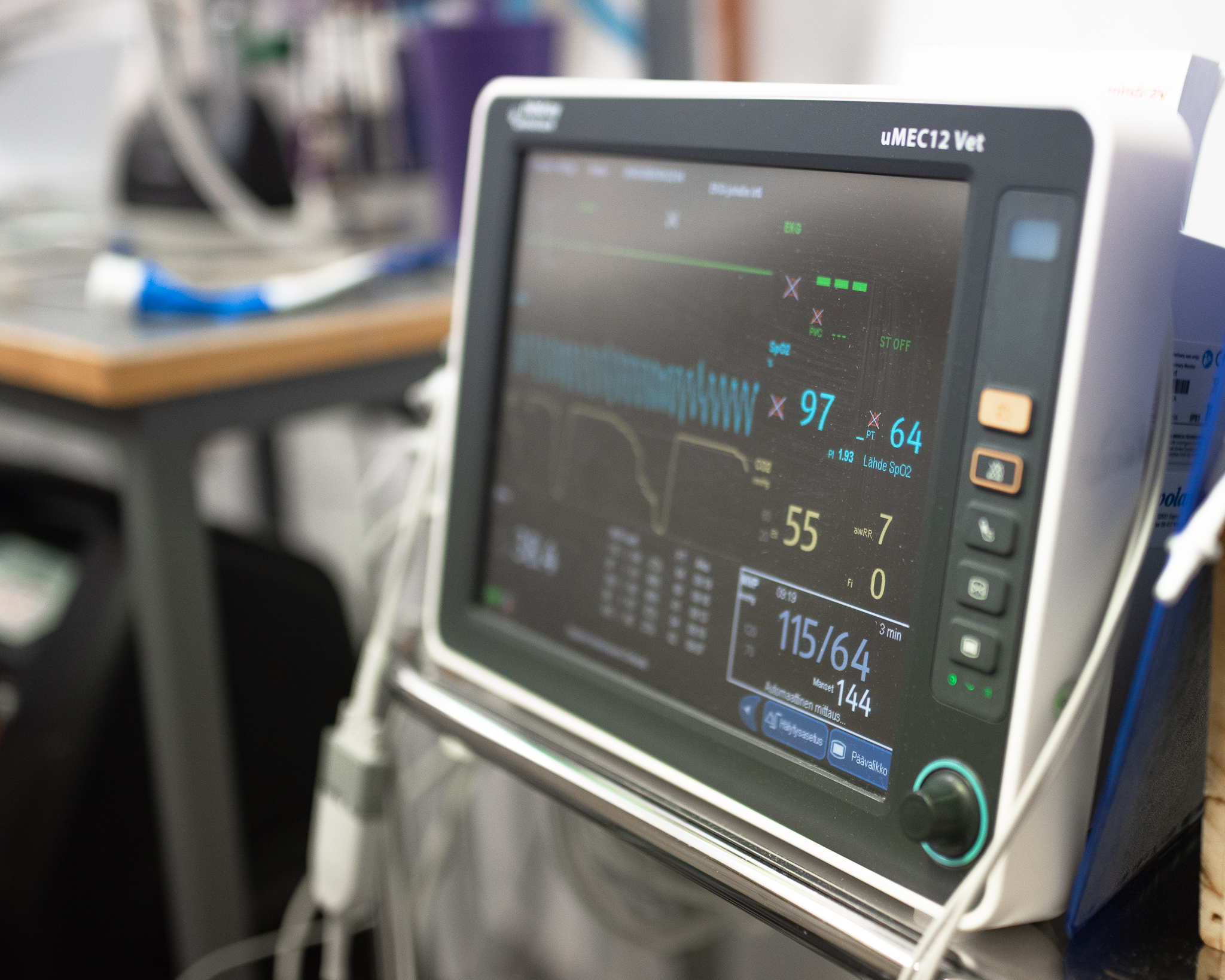
If necessary, more medication can be given during the procedure, which improves control of the anaesthesia and patient safety. The patient’s condition is monitored throughout the anaesthesia.
Inhalation anaesthesia
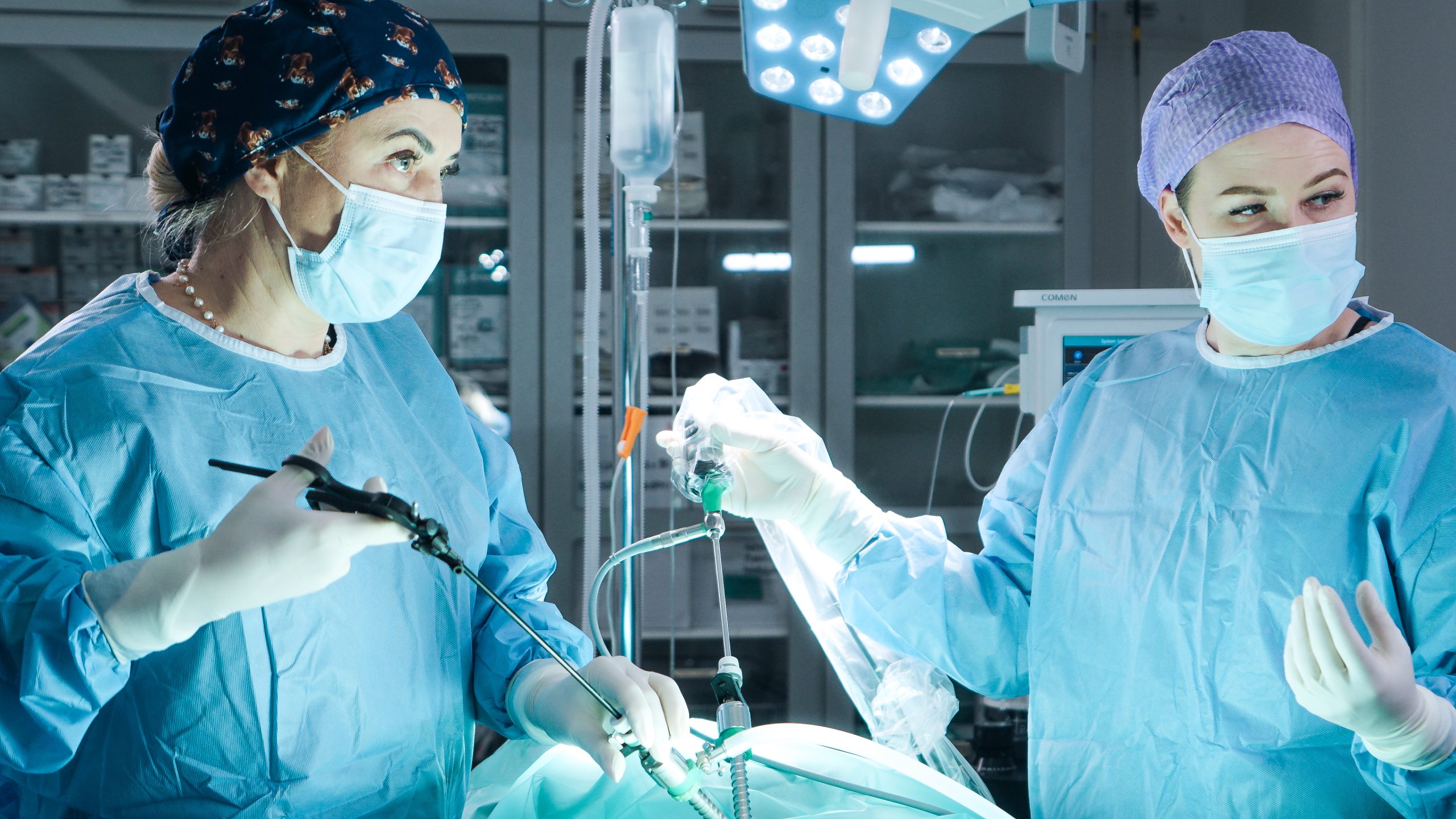
Inhalation anaesthesia is used for longer and more demanding procedures, such as surgery and dental treatment. The patient is first calmed with a light IM sedation. The patient is then anaesthetised, and the anaesthesia is maintained with an inhaled anaesthetic gas delivered through the airways.
The advantages of inhalation anaesthesia are good controllability and quick recovery, as the depth of anaesthesia can be changed quickly and the anaesthetic gases leave the body mainly through breathing. This makes the method safe also for elderly patients or patients with underlying diseases, when the anaesthesia is carefully planned and monitored.
Additional treatment and recovery
After all sedations and anaesthesias, the patient is given anti-nausea medication to minimise nausea after the procedure. A reversal drug is also often given into the muscle if an antidote is available for the sedative drugs used. This speeds up recovery and reduces tiredness after sedation.
The patient is monitored in the recovery room until it is awake, its body temperature is normal and its general condition is stable.