Function of the gallbladder
Knowledge of gallbladder diseases in dogs has increased over the years. Gallbladder mucocele in particular has attracted the attention of dog enthusiasts, especially on social media, in recent years. Mucocele is only one gallbladder disease, and in this article we also tell you about other diseases that can occur in the gallbladder, their symptoms and treatment.
The function of the gallbladder is to store bile produced in the liver and release it into the small intestine when the dog eats. Bile plays a particular role in the breakdown and absorption of fats.
Gallbladder dysfunction can disturb digestion, cause abdominal pain and, in severe cases, lead to obstruction of the bile ducts, rupture of the gallbladder and life-threatening, painful peritonitis.
The most important gallbladder diseases in dogs are an accumulation of dehydrated bile in the gallbladder (mucocele), inflammation of the gallbladder, gallstones and bile duct obstructions.
The symptoms of these diseases can be similar, which is why accurate diagnostics are important.
The most common gallbladder diseases in dogs
1. Gallbladder mucocele
Gallbladder mucocele is one of the most significant gallbladder diseases in dogs. Normal bile is fluid, but in a mucocele the composition of the bile changes, it “dehydrates” and becomes a thick, jelly-like mass. Gradually the “jelly” fills the entire gallbladder and prevents bile from flowing normally into the bile ducts. The gallbladder wall also becomes fragile.
Several factors probably contribute to the development of the disease. Underlying causes may include genetic (hereditary) factors, endocrine (metabolic) factors, hyperlipidaemia (elevated levels of fats and cholesterol in the body) and environmental factors. These lead to a weakened ability of the gallbladder to contract, and thus to the accumulation of altered bile in the gallbladder, stretching of the gallbladder and a change in the composition of the bile.
Mucocele has been linked to Cushing’s disease, hypothyroidism and hyperlipidaemia, among other conditions. Heredity also plays a role. An increased risk has been found particularly in Shetland Sheepdogs. Other potentially predisposed breeds include, for example, the Miniature Schnauzer, Cocker Spaniel, Border Terrier, Pomeranian, Pug, Beagle, Bichon Frisé and Chihuahua. For these breeds, an annual gallbladder ultrasound to check the situation is recommended.
Progression of the disease and complications
A mucocele can develop slowly over months. At first the dog may have no symptoms at all. As the disease progresses, the gallbladder enlarges, the gallbladder wall may be damaged and the flow of bile may be blocked.
The most serious complications are rupture of the gallbladder and bile peritonitis, which leads to sepsis and death. If the gallbladder has already ruptured, the prognosis is poor.
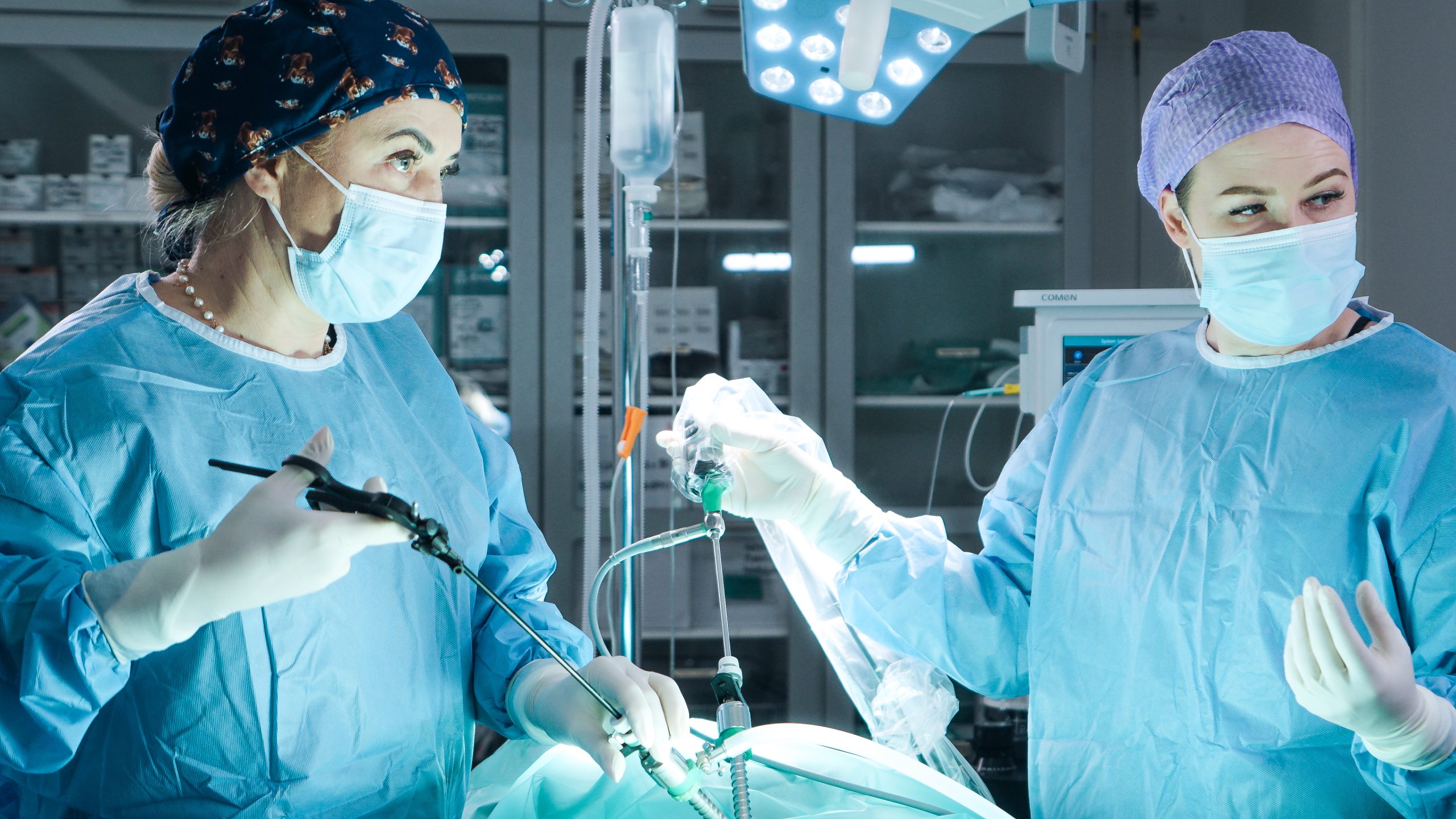
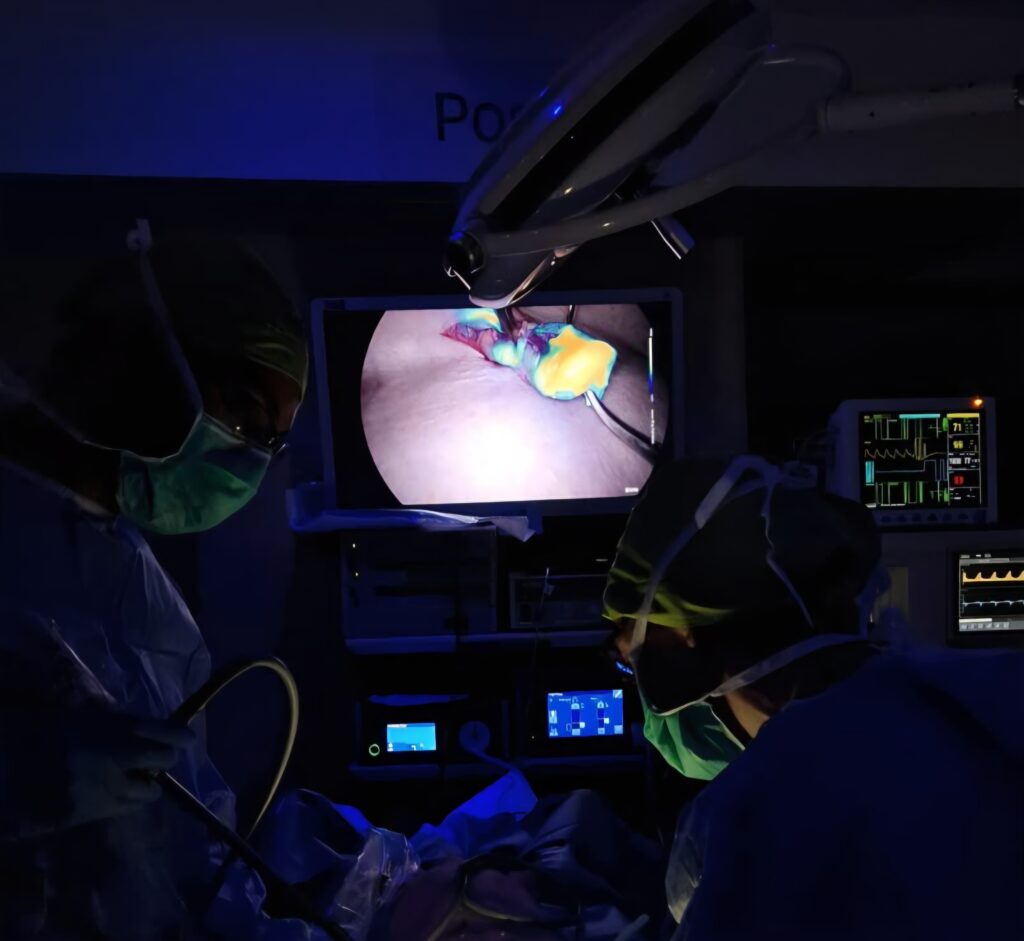
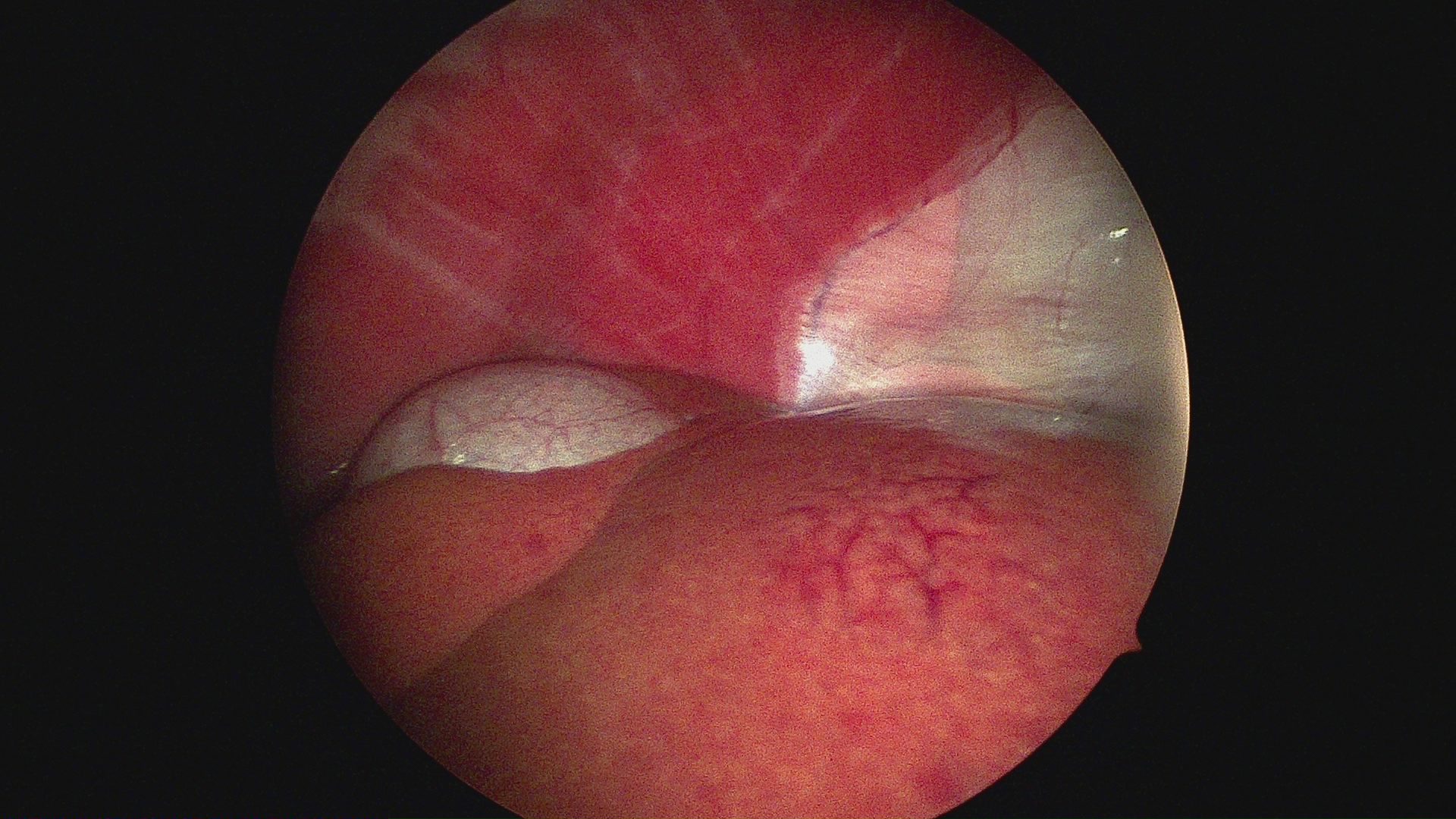
The primary treatment of the disease is surgical removal of the gallbladder. The removal can be done either by open surgery or laparoscopically. The surgery should be done as early as possible, because as the gallbladder wall becomes more fragile, the risks of surgery also increase (e.g. rupture of the gallbladder during surgery).
Medical treatment can also be tried. According to studies, the long-term prognosis with medical treatment alone is poorer than with surgical treatment.
(Vet Clin North Am Pract. 2022 Mar.52 (2) 369-385/ j.cvsm.2021.11.001 Epub 2022 Jan 24)
2. Inflammation of the gallbladder (cholecystitis)
Cholecystitis means inflammation of the gallbladder wall. It may be associated with obstruction of bile flow, mucocele, neoplastic disease, bile duct obstruction (e.g. gallstones), bacterial infection, severe distension of the gallbladder, disturbance of the intestinal bacterial flora (dysbiosis) or blunt abdominal trauma.
The inflammation may be mild and chronic or rapidly progressing and severe. In some cases the inflammation causes necrosis of the gallbladder wall.
Possible causes of the inflammation include intestinal bacteria such as Escherichia coli and enterococci. Bacteria can reach the gallbladder via the bile ducts, for example.
Symptoms of the inflammation may include:
- Loss of appetite
- Vomiting
- Abdominal pain
- Fever
- Lethargy
- Jaundice
- Deterioration of general condition
In milder cases, antibiotics and other supportive treatment can be used. In severe or necrotising inflammation, surgical removal of the gallbladder is often necessary.
3. Gallstones
In humans, gallstones are a fairly common problem and a reason for gallbladder removal. In dogs it is different. The background of gallstones in dogs is not very well understood. Possible predisposing factors include, for example, high blood levels of cholesterol, triglycerides, bilirubin and calcium, increased mucin production in the bile ducts, metabolic diseases such as diabetes mellitus (“sugar diabetes”), Cushing’s disease, hyperparathyroidism and hypothyroidism, problems with gallbladder contractility, bile stasis, tumours and inflammation.
Many gallstones do not cause the dog any symptoms and are found by chance during an ultrasound examination.
4. Bile duct obstruction
Bile duct obstruction means a situation in which bile cannot flow normally from the liver and gallbladder to the small intestine.
The obstruction may be caused by:
- Gallstones
- Gallbladder mucocele
- Inflammation of the bile ducts
- Scarring and narrowing of the bile ducts (e.g. as a result of trauma)
- Tumours
- Inflammation or swelling in the pancreatic area
When the flow of bile is blocked, bilirubin accumulates in the bloodstream. This can cause yellowing of the skin, mucous membranes and the whites of the eyes, i.e. icterus (jaundice).
A bile duct obstruction can be partial or complete. A complete obstruction is particularly serious and requires prompt assessment by a veterinarian.
The need for treatment depends on the location of the stones, the dog’s symptoms and any complications.
5. Gallbladder rupture and bile peritonitis
Gallbladder rupture is one of the most serious complications of gallbladder diseases.
A rupture can occur, for example, as a result of an advanced mucocele, necrosis of the gallbladder, severe inflammation or an obstruction caused by gallstones. When bile gets into the abdominal cavity, it causes a strong inflammatory reaction. This is called bile peritonitis.
Symptoms may include:
- Severe abdominal pain
- Sudden deterioration of general condition
- Vomiting
- Fever or abnormal body temperature
- Jaundice
- Rapid breathing and heart rate
- Abdominal swelling
Bile peritonitis is always an emergency. Treatment usually requires urgent surgery, cleaning of the abdominal cavity, fluid therapy and antimicrobial medication. The prognosis is guarded / poor.
Diagnosing gallbladder diseases
The diagnosis of gallbladder diseases is based on a clinical examination, blood tests and diagnostic imaging. Of these, abdominal ultrasound in particular plays a key role.
1. Blood tests
Blood tests are used to assess the function of the liver and bile ducts and any inflammatory changes.
However, a definite diagnosis of gallbladder disease cannot be made on the basis of liver values alone.
2. Ultrasound examination
Abdominal ultrasound is the most important imaging method for examining gallbladder diseases.
Ultrasound can be used to assess, for example, the size and shape of the gallbladder, the thickness of the gallbladder wall, the composition of the bile, the presence of gallstones, dilation of the bile ducts and any leakage of bile into the abdominal cavity.
In a mucocele, the ultrasound may show a typical so-called kiwi-like structure. It is formed by thickened mucus that does not move normally inside the gallbladder.
Ultrasound can also detect early changes before the dog develops clear clinical symptoms.
3. Other examinations
If necessary, the diagnostics are supplemented with abdominal X-rays, computed tomography, analysis of abdominal fluid, bacterial culture of the bile and histological examination of liver and gallbladder tissue samples.
Treatment of diseases of the gallbladder and bile ducts
Treatment always depends on the cause of the disease, the symptoms and the severity of the disease. Medical treatment includes ursodeoxycholic acid (which increases bile flow, stabilises liver cells and increases so-called good bile acids; before starting the medication it is advisable to check with ultrasound that there is no obstruction to bile flow, because the medication increases bile flow), nutritional supplements such as silymarin, vitamins E and C, antibiotics (according to sensitivity testing) and medicines that relieve symptoms, e.g. anti-nausea medication and fluid therapy.
In some cases, surgical treatment is essential, e.g. for an advanced mucocele. Surgical treatment should be carried out as early as possible, when the prognosis is better.
Prognosis
The prognosis of gallbladder diseases varies considerably depending on the severity of the disease and the timing of treatment.
| Type of disease | Prognosis |
|---|---|
| Gallstones without symptoms | Often good |
| Mild inflammation of the gallbladder | Often good, with appropriate treatment |
| Early mucocele | Varies, often good with the right treatment |
| Advanced mucocele | Guarded |
| Gallbladder rupture | Serious, even poor |
| Bile peritonitis | Serious, requires urgent treatment |
Summary
Gallbladder diseases in dogs form a diverse group of diseases, including gallbladder mucocele, inflammation, gallstones and bile duct obstructions.
The symptoms of these diseases can remain mild and non-specific for a long time. As a result, gallbladder diseases may go unrecognised until the dog develops more serious symptoms. Dogs are often good at hiding milder symptoms.
It is particularly important to recognise a gallbladder mucocele in time, because as the disease progresses, the gallbladder wall can be damaged and the gallbladder can rupture.
Abdominal ultrasound plays a key role in diagnostics, and when needed, surgical treatment can be decisive for the dog’s prognosis.
The key message is that prolonged gastrointestinal symptoms, abdominal pain or unexplained increases in liver values should not be ignored. Early recognition of gallbladder diseases can prevent life-threatening complications.